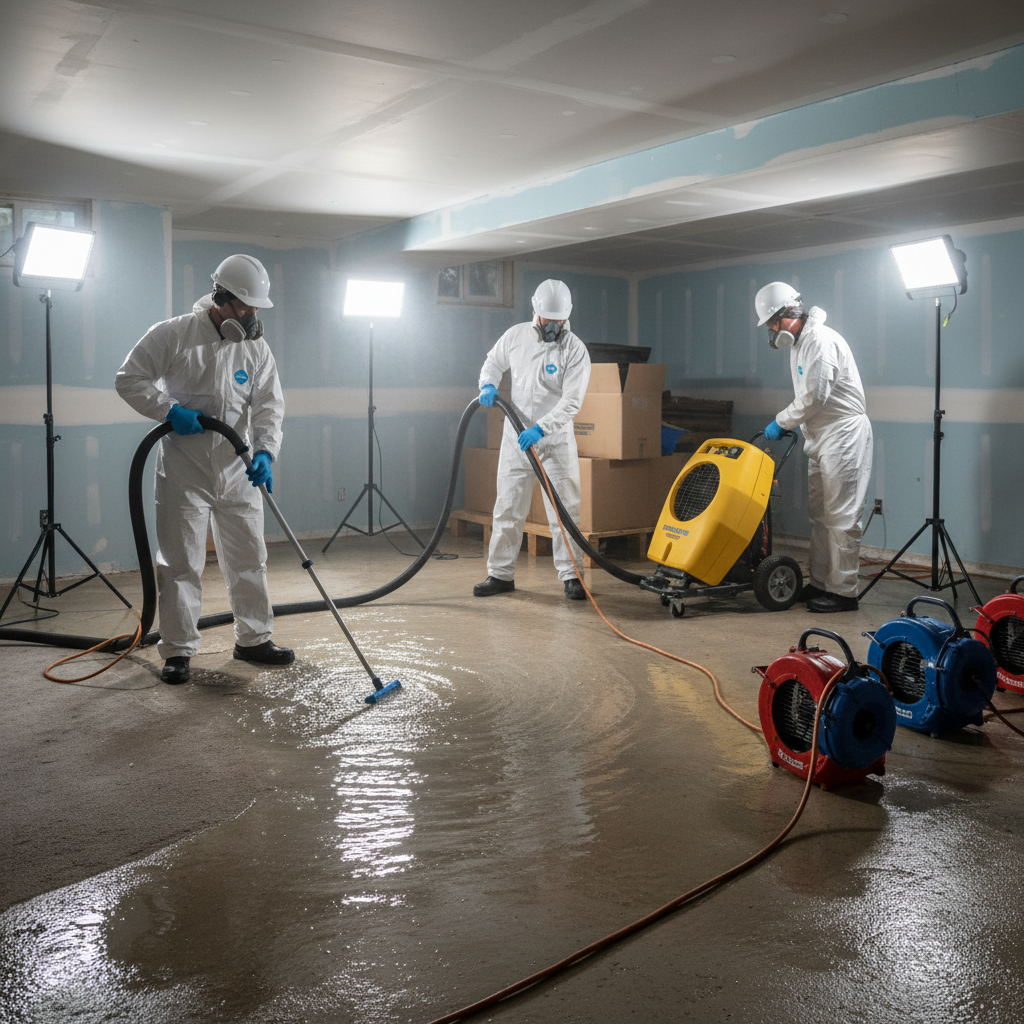
Sewage backup is classified as Category 3 “black water”—the most dangerous category of water damage. It contains bacteria, viruses, parasites, and other pathogens that can cause serious illness. Any sewage backup that affects more than 10 square feet, saturates porous materials, or has been standing for more than 24 hours requires professional remediation. Cleanup costs range from $2,000 to $10,000+. Standard homeowner’s insurance does not cover sewage backup unless you have a specific sewer and drain endorsement ($40–$100/year).
What Makes Sewage a Biohazard
Sewage is not just dirty water. It is a concentrated mixture of human waste, bacteria, viruses, parasites, chemical contaminants, and pharmaceutical residues. The IICRC (Institute of Inspection, Cleaning and Restoration Certification) classifies sewage as Category 3 water—also called “black water”—which is the highest contamination level in water damage restoration.
Category 3 water is defined as “grossly contaminated” and can cause severe illness or death if ingested or if it contacts open wounds. Any porous material (carpet, drywall, insulation, wood) that absorbs Category 3 water cannot be cleaned and must be removed and replaced.
Even clean water (Category 1) that sits for more than 48 hours degrades to Category 3 as bacteria multiply. A “minor” water leak that goes unaddressed for several days becomes a biohazard situation requiring the same level of remediation as a sewage backup.
Health Risks of Sewage Exposure
Sewage contains pathogens that cause a range of diseases, from mild gastroenteritis to life-threatening infections. The risks are highest for young children, the elderly, pregnant women, and immunocompromised individuals.
| Pathogen | Disease | Symptoms | Transmission |
|---|---|---|---|
| E. coli | Gastroenteritis, hemolytic uremic syndrome | Severe diarrhea, abdominal cramps, vomiting, kidney failure (rare) | Ingestion, contact with mucous membranes |
| Salmonella | Salmonellosis | Diarrhea, fever, abdominal cramps lasting 4–7 days | Ingestion, hand-to-mouth contact |
| Hepatitis A | Hepatitis A | Fatigue, nausea, jaundice, liver inflammation | Ingestion of contaminated water/food |
| Giardia | Giardiasis | Diarrhea, gas, greasy stools, stomach cramps for 2–6 weeks | Ingestion of cysts in water |
| Cryptosporidium | Cryptosporidiosis | Watery diarrhea, dehydration, weight loss | Ingestion; resistant to chlorine |
| Leptospira | Leptospirosis | High fever, headache, muscle pain; can cause organ failure | Contact with contaminated water through skin cuts |
| Norovirus | Viral gastroenteritis | Vomiting, diarrhea, nausea; highly contagious | Ingestion, contact, aerosol |
| Various molds | Respiratory illness, allergic reactions | Coughing, wheezing, skin irritation, asthma attacks | Inhalation of spores (grow within 24–48 hours of water exposure) |
Sewage also releases hydrogen sulfide gas (the “rotten egg” smell) and methane, both of which are dangerous in enclosed spaces. Hydrogen sulfide can cause headaches, dizziness, and loss of consciousness at high concentrations. If you smell a strong sewage odor in an enclosed area, ventilate immediately and do not enter without respiratory protection.
Water Damage Categories Explained
Understanding water damage categories helps you communicate with professionals and insurance adjusters, and determines the level of remediation required.
| Category | Also Called | Source Examples | Health Risk | Can Porous Materials Be Saved? |
|---|---|---|---|---|
| Category 1 | Clean water | Broken supply line, faucet leak, melting ice | Minimal | Yes, if dried within 48 hours |
| Category 2 | Gray water | Washing machine overflow, dishwasher discharge, toilet overflow (urine only) | Moderate — may cause illness | Some; depends on material and exposure time |
| Category 3 | Black water | Sewage backup, flooding from rivers/streams, toilet overflow (with feces), standing water >48 hours | Severe — can cause serious illness or death | No — all porous materials must be removed |
Water always degrades over time. Category 1 becomes Category 2 within 24–48 hours, and Category 2 becomes Category 3 within 48–72 hours. This is why speed matters in any water damage situation—every hour of delay increases contamination, damage, and cost.
DIY vs. Professional: When to Call for Help
Some minor incidents can be handled by the homeowner, while others require certified professionals with specialized equipment.
| Situation | DIY Appropriate? | Professional Required? | Why |
|---|---|---|---|
| Toilet overflow (clean water, small area) | ✓ | Category 1 water, minimal contamination, easily contained | |
| Small sink backup (<10 sq ft, no sewage) | ✓ | Category 2 gray water, limited area | |
| Sewage backup in tub or shower only | Possibly | Recommended | Category 3 water, but contained to non-porous surfaces |
| Sewage on hard floors (<10 sq ft) | With proper PPE | Recommended | Category 3 water; hard surfaces can be disinfected but risk remains |
| Sewage on carpet or porous surfaces | ✗ | ✓ Required | Porous materials must be removed; subfloor likely contaminated |
| Any backup >10 sq ft | ✗ | ✓ Required | Professional extraction, drying, and decontamination needed |
| Sewage standing >24 hours | ✗ | ✓ Required | Bacterial growth exponential; mold growth begins within 24–48 hours |
| Sewage in walls, HVAC, or crawlspace | ✗ | ✓ Required | Hidden contamination requires professional detection and remediation |
| Basement flooding with sewage | ✗ | ✓ Required | Large volume, potential structural damage, mold risk extreme |
If you attempt any DIY sewage cleanup, you must wear: rubber boots, waterproof gloves, eye protection (splash-proof goggles), and an N95 respirator at minimum. Do not eat, drink, or smoke in the affected area. Shower immediately after exposure. Wash all clothing separately in hot water with bleach.
Immediate Steps When Sewage Backs Up
Take these steps as soon as you discover a sewage backup, before professionals arrive:
Stop the Source (If Possible)
If the backup is from a toilet or drain, stop using all water in the house. Turn off the main water supply if the backup is worsening. Do not flush any toilets or run any water.
Turn Off Electricity in Affected Areas
If sewage water is near electrical outlets, appliances, or your breaker panel, turn off electricity to affected areas from the main panel before entering. Standing water + electricity = electrocution risk.
Ventilate
Open windows and doors to reduce dangerous gas buildup (hydrogen sulfide, methane). Use fans only if the electrical supply to the area is safe.
Evacuate Vulnerable Individuals
Children, elderly, pregnant women, immunocompromised individuals, and pets should leave the affected area immediately. Sewage vapors alone can cause illness.
Document Everything
Before cleaning anything, take photos and video of all affected areas from multiple angles. This documentation is critical for insurance claims. Include close-ups of the water line on walls, damaged materials, and the apparent source.
Call Your Insurance Company
File a claim immediately. Ask specifically whether your policy includes sewer and drain backup coverage. Get a claim number before calling a cleanup company.
Call a Professional Cleanup Company
For anything beyond a minor, contained spill on a hard surface, contact a certified water damage restoration company with sewage cleanup experience. Most offer 24/7 emergency response.
The Professional Remediation Process
Certified water damage restoration companies follow the IICRC S500 Standard for professional water damage restoration. Here is what the process looks like for sewage backup:
Emergency Assessment
Technicians arrive in PPE, assess the extent of contamination, identify the source of the backup, classify the water category, and document conditions. Moisture meters and thermal imaging cameras map the full extent of water intrusion—including behind walls and under floors.
Water Extraction
Truck-mounted or portable extraction units remove standing sewage water. Submersible pumps handle basement flooding. Every gallon removed quickly reduces damage and contamination.
Contaminated Material Removal
All porous materials contacted by Category 3 water are removed: carpet, carpet padding, drywall (cut 12–24 inches above the water line), baseboards, insulation, and any contaminated personal items. These materials cannot be saved and are disposed of as biohazardous waste.
Cleaning and Disinfection
All remaining surfaces (studs, subfloor, concrete) are cleaned with antimicrobial agents and hospital-grade disinfectants. Enzyme-based cleaners break down organic matter. Multiple passes ensure thorough decontamination.
Structural Drying
Industrial dehumidifiers and air movers run continuously until all structural materials reach target moisture levels (typically measured with moisture meters to <15% wood moisture content). This phase takes 3–5 days on average.
Odor Treatment
Professional odor removal using hydroxyl generators or ozone treatment eliminates sewage odors that persist after cleaning. Thermal fogging may be used for severe cases.
Clearance Testing and Documentation
Moisture readings confirm the structure is dry. Microbial testing may be performed to verify decontamination. You receive a complete remediation report for your insurance claim and records.
Reconstruction
Once the structure is clean and dry, reconstruction begins: new drywall, baseboards, flooring, paint, and any other materials that were removed. Some companies handle both remediation and reconstruction; others specialize in remediation only.
What Gets Saved vs. What Gets Removed
The rule for Category 3 (sewage) water is simple: if it is porous and it got wet, it gets removed. Non-porous materials can usually be cleaned and saved.
| Material | Can It Be Saved? | Action Required |
|---|---|---|
| Carpet and carpet pad | ✗ No | Remove and dispose. Always replace both carpet and pad. |
| Hardwood flooring | ✗ Rarely | Sewage warps and contaminates wood. Usually must be replaced. |
| Laminate / vinyl plank | Possibly | If water did not get underneath. If subfloor is wet, remove. |
| Tile flooring | ✓ Yes | Clean and disinfect. Regrout if grout absorbed contamination. |
| Concrete | ✓ Yes | Clean, disinfect, and seal. Concrete is porous but cleanable. |
| Drywall | ✗ No | Cut and remove 12–24” above water line. Replace. |
| Baseboards (wood/MDF) | ✗ No | Remove and replace. MDF swells and cannot be restored. |
| Insulation | ✗ No | Remove and replace all contaminated insulation. |
| Furniture (upholstered) | ✗ No | Fabric and padding absorb contamination. Dispose. |
| Furniture (wood/metal) | Possibly | Clean and disinfect non-porous surfaces. If joints absorbed water, dispose. |
| Appliances | ✓ Usually | Clean exterior. Have electrician verify safety before reconnecting. |
| Electronics | ✗ No | Do not attempt to power on. Document for insurance claim. |
| Documents / photos | ✗ Rarely | Freeze immediately for potential later restoration (expensive). |
Insurance Coverage for Sewage Backup
This is where most homeowners get an unwelcome surprise: standard homeowner’s insurance does not cover sewage backup. You need a specific endorsement.
✓ What’s Typically Covered
- Sewer and drain backup endorsement (must be added to policy — $40–$100/year)
- Cleanup and remediation costs up to policy limit
- Damaged personal property replacement
- Structural repairs (drywall, flooring, etc.)
- Additional living expenses if the home is uninhabitable
✗ What’s Typically NOT Covered
- Sewage backup under a standard policy (no endorsement)
- Damage caused by lack of maintenance (tree roots you knew about)
- Backup from a city sewer main (may require separate claim against municipality)
- Gradual leaks you failed to address
- Flooding from external sources (requires separate flood insurance — NFIP)
Call your insurance agent today and ask whether your policy includes sewer and drain backup coverage. If not, add it immediately. At $40–$100/year, it is the most cost-effective endorsement you can add. Typical coverage limits are $5,000–$25,000. For older homes with aging plumbing, consider the highest limit available.
Filing a Successful Claim
Insurance Claim Checklist
Cost Ranges for Sewage Cleanup
Sewage backup cleanup costs vary based on the volume of sewage, the size of the affected area, and the materials that need to be removed and replaced.
| Scope of Damage | Typical Cost | What’s Included |
|---|---|---|
| Small backup (single fixture, <50 sq ft) | $1,000 – $3,000 | Extraction, disinfection, drying, minor material removal |
| Moderate backup (one room, 50–200 sq ft) | $3,000 – $6,000 | Extraction, material removal (carpet, drywall), disinfection, structural drying |
| Large backup (multiple rooms, >200 sq ft) | $6,000 – $12,000 | Full extraction, extensive material removal, decontamination, 3–5 day drying |
| Basement flood (full or partial) | $5,000 – $15,000+ | Pumping, complete material removal, decontamination, extended drying, mold prevention |
| Add-on: mold remediation | $2,000 – $8,000 | If sewage sat >48 hours and mold has established |
| Add-on: odor treatment | $500 – $2,500 | Hydroxyl generation, ozone, or thermal fogging for residual odors |
| Reconstruction (drywall, flooring, paint) | $3,000 – $15,000+ | Varies widely by materials and area size; often billed separately |
The cost of remediation is always less than the cost of doing nothing. Unaddressed sewage contamination leads to mold growth (starting within 24–48 hours), structural wood rot, permanent odor, and potential health claims from occupants. The longer you wait, the more expensive it gets.
Prevention: How to Stop Sewage Backups
Most sewage backups are preventable with proper maintenance and inexpensive protective measures.
Maintenance Actions
- Inspect and clean sewer lines every 1–2 years with a camera inspection ($100–$300)
- Remove tree roots near sewer lines before they infiltrate pipes
- Replace aging clay or cast iron pipes with PVC (common in homes built before 1980)
- Never pour grease down drains — it solidifies and creates blockages
- Use enzyme drain treatments monthly to break down organic buildup
- Avoid flushing wipes — even “flushable” wipes cause blockages
Protective Equipment
- Install a backwater valve ($300–$1,500 installed) — prevents city sewer from backing into your home
- Install a sump pump with battery backup in basements ($500–$2,000)
- Add a sewage ejector pump for below-grade bathrooms
- Install water alarms near floor drains and in basements ($15–$40 each) for early warning
- Seal basement cracks to prevent groundwater intrusion during heavy rain
- Add sewer and drain coverage to your insurance policy ($40–$100/year)
A backwater valve is the single most effective prevention measure. It allows sewage to flow out of your home but automatically closes if sewage tries to flow back in. Many municipalities now require them in new construction, and some offer rebates of $500–$2,000 for homeowners who install them in existing homes. Check with your local water authority.
Frequently Asked Questions
Is sewage backup dangerous to my health?
Yes. Sewage is classified as Category 3 (“black water”)—the most hazardous category of water damage. It contains bacteria (E. coli, Salmonella), viruses (Hepatitis A, Norovirus), parasites (Giardia, Cryptosporidium), and toxic gases (hydrogen sulfide, methane). Direct contact, ingestion, or even prolonged inhalation of vapors can cause serious illness.
How quickly does mold grow after a sewage backup?
Mold can begin growing within 24–48 hours of water exposure. In warm, humid conditions, it can colonize an entire room within a week. This is why professional remediation with structural drying must begin as quickly as possible. Mold remediation on top of sewage cleanup adds $2,000–$8,000+ to total costs.
Does homeowner’s insurance cover sewage backup?
Not unless you have a specific sewer and drain backup endorsement. This is a separate rider that costs $40–$100/year with typical coverage limits of $5,000–$25,000. Without it, you pay for everything out of pocket. Check your policy today—this is one of the most common and costly coverage gaps in homeowner’s insurance.
Can I clean sewage backup myself?
Only for very small spills (<10 sq ft) on non-porous hard surfaces (tile, concrete) using proper PPE (rubber boots, waterproof gloves, N95 respirator, eye protection). Any sewage that contacts carpet, drywall, wood, or other porous materials requires professional remediation. The health risks and liability of DIY sewage cleanup are significant.
Who is responsible for a sewage backup: me or the city?
If the backup originated from the city sewer main, the municipality may be liable. If it originated from your lateral sewer line (the pipe connecting your house to the main), it is your responsibility. A plumber or the cleanup company can usually determine the origin. If the city is responsible, file a claim with your municipal government—but you may still need to pay for cleanup upfront and seek reimbursement.
How long does professional sewage cleanup take?
The remediation phase (extraction, removal, disinfection, and drying) typically takes 3–7 days. Structural drying alone requires 3–5 days of continuous dehumidifier and air mover operation. Reconstruction (replacing drywall, flooring, paint) adds another 1–3 weeks depending on scope. Total timeline from backup to move-back-in: 2–5 weeks for moderate cases.
Can I stay in my home during sewage cleanup?
It depends on the extent of the backup. If contamination is limited to one area that can be sealed off (such as a basement), you may be able to stay in unaffected areas. If sewage has affected multiple rooms, the kitchen, or HVAC systems, temporary relocation is strongly recommended—especially for households with children, elderly, or immunocompromised members. Your sewer backup insurance endorsement may cover additional living expenses during remediation.
Dealing With a Sewage Backup? Get Professional Help Fast
Sewage contamination worsens every hour. Certified water damage restoration companies offer 24/7 emergency response and can begin extraction immediately.