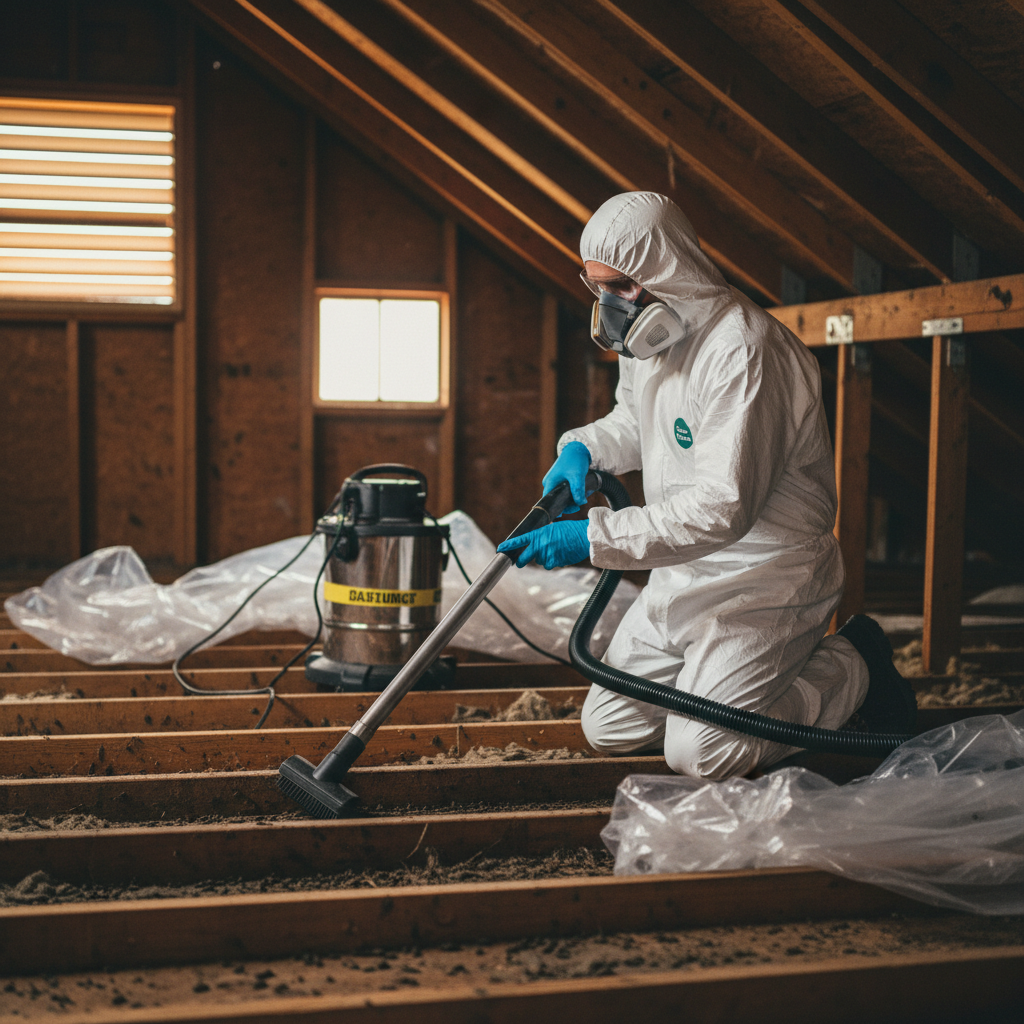
Animal waste is a genuine biohazard. Rodent droppings can carry hantavirus (30–40% fatality rate). Bat guano causes histoplasmosis. Raccoon feces transmit Baylisascaris, a roundworm that can cause permanent brain damage. Small, fresh messes on hard surfaces can be cleaned safely with proper PPE and disinfection. But accumulated waste, dead animal decomposition, animal hoarding situations, or anything involving attic/crawlspace infestations should be handled by a professional biohazard cleanup company — the airborne pathogen risk alone makes DIY dangerous.
Types of Animal Biohazards
Animal biohazards go far beyond what most people imagine. Each type presents unique risks that escalate with volume and time:
Feces and Urine
The most common animal biohazard. Rodent droppings carry hantavirus. Bird and bat guano harbor histoplasmosis spores. Cat feces transmit toxoplasmosis. Accumulated urine produces ammonia fumes that damage lungs and saturate subfloors, insulation, and drywall beyond surface cleaning.
Dead Animals and Carcasses
Decomposing animals attract flies, maggots, and secondary scavengers. Decomposition fluids seep into porous materials and produce persistent odors. Carcasses in walls, attics, or crawlspaces create airborne bacterial hazards that spread through HVAC systems.
Nesting Materials
Rodent and bird nests contain feces, urine, parasites (fleas, ticks, mites), and shed fur or feathers. Disturbing nests without proper protection releases dried fecal particles into the air — the primary transmission pathway for hantavirus and histoplasmosis.
Contaminated Insulation and Structures
Urine and feces seep into attic insulation, wall cavities, subfloors, and HVAC ductwork. Surface cleaning does nothing. Contaminated insulation must be removed and replaced. Structural materials may need treatment with antimicrobial agents or full replacement.
Diseases Spread by Animal Waste
Animal waste carries pathogens that cause serious — sometimes fatal — illness in humans. These are not hypothetical risks; the CDC documents thousands of cases annually.
| Disease | Source | Transmission | Severity |
|---|---|---|---|
| Hantavirus Pulmonary Syndrome | Deer mice, cotton rats, white-footed mice | Inhaling dust from dried rodent urine, droppings, or nesting materials | 30–40% fatality rate. No cure or vaccine. |
| Histoplasmosis | Bat guano, bird droppings (especially pigeons, starlings) | Inhaling Histoplasma capsulatum spores from disturbed droppings | Mild to severe lung infection. Can disseminate to other organs in immunocompromised individuals. |
| Baylisascaris (Raccoon Roundworm) | Raccoon feces | Accidental ingestion of roundworm eggs from contaminated soil or surfaces | Can cause permanent brain damage, blindness, or death. Children at highest risk. |
| Leptospirosis | Rodent and wildlife urine | Contact with contaminated water or soil through broken skin or mucous membranes | Flu-like illness; can progress to kidney/liver failure (Weil’s disease) without treatment. |
| Toxoplasmosis | Cat feces | Accidental ingestion of Toxoplasma gondii oocysts from litter or soil | Usually mild. Dangerous for pregnant women (birth defects) and immunocompromised individuals. |
| Salmonellosis | Reptile, bird, and rodent feces | Ingestion via hand-to-mouth contact after handling contaminated surfaces | Gastrointestinal illness. Serious for young children, elderly, and immunocompromised. |
| Psittacosis | Bird droppings (parrots, pigeons, poultry) | Inhaling dried bird feces dust | Pneumonia-like illness. Treatable with antibiotics if diagnosed. |
| Lymphocytic Choriomeningitis (LCMV) | House mouse urine and droppings | Inhaling aerosolized particles or direct contact | Flu-like symptoms; can cause meningitis. Dangerous in pregnancy. |
Never sweep, vacuum, or blow dried animal droppings. This launches pathogen-laden particles into the air. Hantavirus and histoplasmosis are both transmitted by inhaling contaminated dust. The CDC specifically warns against sweeping or vacuuming rodent droppings without first soaking them with a disinfectant solution.
Species-Specific Hazards
Rodents (Mice and Rats)
Rodents are the most common source of animal biohazards in homes. A single mouse produces 50–75 droppings per day and urinates almost continuously. A moderate infestation can deposit thousands of droppings in walls, attics, kitchens, and crawlspaces within weeks.
- Primary diseases: Hantavirus (deer mice), leptospirosis, LCMV, salmonellosis, rat-bite fever
- Key danger: Dried droppings become airborne when disturbed. Hantavirus has no cure and a 30–40% mortality rate.
- Contamination zones: Insulation, HVAC ducts, kitchen cabinets, wall cavities, stored boxes
- CDC protocol: Ventilate the area for 30 minutes before entering. Soak droppings with a bleach solution (1:10) or EPA-registered disinfectant for 5 minutes before wiping up. Never sweep or vacuum dry droppings.
Raccoons
Raccoons create communal latrines — specific locations where multiple raccoons repeatedly defecate. These latrines are commonly found on rooftops, in attics, around the base of trees, and on decks. The danger is Baylisascaris procyonis, a roundworm whose eggs become infectious within 2–4 weeks and can survive in soil for years.
- Primary disease: Baylisascaris (raccoon roundworm) — causes neural larva migrans (brain infection)
- Key danger: Children are at highest risk due to hand-to-mouth behavior near contaminated areas
- Special protocol: Baylisascaris eggs are extremely resilient. Standard disinfectants do not kill them. Contaminated soil must be removed or flame-treated. The CDC recommends professional cleanup for raccoon latrines.
Bleach does not kill Baylisascaris eggs. Boiling water and most chemical disinfectants are also ineffective. The CDC states that contaminated areas may need to be treated with direct flame (propane torch on concrete) or that contaminated materials must be physically removed and bagged for disposal. This is one cleanup that should always be left to professionals.
Bats
Bat guano accumulates in attics, wall voids, and chimney cavities. As guano dries, it releases Histoplasma capsulatum spores into the air. Even a small colony of bats can produce significant guano deposits over a single season.
- Primary disease: Histoplasmosis — a fungal lung infection
- Key danger: Spores become airborne when guano is disturbed. Large accumulations can cause structural damage from weight and acidity.
- Legal note: Many bat species are federally protected. Live bats must be excluded humanely, not killed. Check your state’s wildlife regulations before any removal.
- Special protocol: NIOSH recommends a HEPA-filtered respirator (N95 minimum, P100 preferred) for any bat guano cleanup. Professional remediation with negative air pressure containment is recommended for accumulations larger than a few droppings.
Birds (Pigeons, Starlings, Sparrows)
Bird droppings accumulate on rooftops, ledges, HVAC units, attics, and warehouse structures. Like bat guano, dried bird droppings release Histoplasma spores, plus bacteria that cause psittacosis and cryptococcosis.
- Primary diseases: Histoplasmosis, psittacosis, cryptococcosis, salmonellosis
- Key danger: Large accumulations (common under roosting sites) are highly hazardous when disturbed. Droppings are also corrosive and damage roofing, paint, and metal.
- DIY threshold: A few droppings on a patio can be hosed off after soaking. Attic infestations, large rooftop accumulations, or droppings in HVAC systems require professional remediation.
Cats (Feral Colonies and Indoor Accumulation)
Cat urine and feces present unique challenges. Cat urine contains high concentrations of ammonia that intensify as it breaks down, creating toxic fumes in enclosed spaces. Feral cat colonies under decks, in crawlspaces, or in abandoned structures can produce massive waste accumulations.
- Primary diseases: Toxoplasmosis, cat scratch disease (Bartonella), hookworm, roundworm
- Key danger: Ammonia from concentrated cat urine causes respiratory damage. Pregnant women must avoid cat feces entirely due to toxoplasmosis risk to the fetus.
- Special concern: Cat urine bonds chemically with surfaces. Standard cleaning removes the surface stain but not the uric acid crystals, which reactivate with humidity and continue producing odor. Enzyme-based treatments or material removal are typically required.
DIY Cleanup: When and How to Do It Safely
Small, fresh animal messes on non-porous surfaces can be handled safely at home — but only if you follow the correct protocol. The most dangerous mistake people make is cleaning animal waste the same way they’d clean a kitchen spill.
When DIY Is Appropriate
- Small amount of droppings (a few pellets) on a hard, non-porous surface
- A single dead mouse or small animal found in a trap
- Fresh pet waste on hard flooring
- Bird droppings on outdoor patios or walkways
When DIY Is NOT Safe
- Accumulated droppings in attics, crawlspaces, or wall cavities
- Any raccoon latrine (Baylisascaris risk)
- Bat guano accumulation (histoplasmosis risk)
- Dead animal in a wall, under a floor, or in HVAC ductwork
- Animal hoarding situations
- Waste that has saturated porous materials (carpet, insulation, drywall)
- Strong ammonia smell from urine accumulation
Ventilate the Area
Open doors and windows. Let the area air out for at least 30 minutes before entering. This is essential for reducing airborne pathogen concentration, particularly in enclosed spaces with rodent droppings.
Put on Proper PPE
At minimum: disposable nitrile gloves, N95 respirator mask, and eye protection (safety glasses or goggles). For larger jobs, add disposable coveralls and shoe covers. Never clean animal waste without respiratory protection.
Soak Droppings Before Touching
Spray droppings and surrounding area with a 1:10 bleach-to-water solution or an EPA-registered disinfectant. Let it soak for at least 5 minutes. This prevents dried particles from becoming airborne when disturbed. Never sweep, vacuum, or blow dry droppings.
Wipe Up with Paper Towels
Use disposable paper towels to pick up the soaked droppings. Place contaminated towels directly into a plastic bag. Do not rinse rags for reuse — everything that contacts animal waste is single-use.
Disinfect the Surface
After removing visible waste, apply a fresh round of disinfectant to the entire area. Allow the recommended contact time (typically 10 minutes for bleach). For urine stains, an enzyme-based cleaner is more effective than bleach at breaking down uric acid.
Dispose of All Materials Safely
Seal the plastic bag, then place it inside a second bag (double-bag). Dispose in an outdoor trash container with a secure lid. Remove gloves last, turning them inside out as you pull them off. Wash hands with soap and warm water for at least 20 seconds.
A regular household vacuum will spread pathogens rather than contain them — standard filters don’t capture microscopic spores or viral particles. Only HEPA-filtered vacuums designed for biohazard use are safe. If you don’t own one, don’t vacuum animal waste.
When to Call a Professional
The line between DIY and professional is clear. If any of the following apply, get professional quotes before attempting cleanup:
⚠ Call a Professional If:
Dead Animal Removal and Decomposition Cleanup
A dead animal creates a biohazard that goes well beyond the odor. Decomposition produces bacteria, attracts insects, and releases fluids that permanently contaminate porous building materials.
What Happens During Decomposition
- 24–72 hours: Bloating begins. Flies arrive and lay eggs. Odor becomes noticeable.
- 3–10 days: Active decomposition. Fluids leak into surrounding materials. Maggots hatch. Odor is intense.
- 10–25 days: Advanced decay. Odor remains strong. Secondary insects (beetles, moths) arrive. Staining and contamination of surrounding materials is extensive.
- 25+ days: Dry/skeletal stage. Odor gradually decreases but contaminated materials continue to harbor bacteria and attract pests.
DIY Dead Animal Removal (Small Animals, Accessible Location)
If you can see and reach the animal (e.g., a mouse in a trap, a bird on a porch), and it has not been decomposing for more than a day or two:
- Put on disposable gloves and an N95 mask
- Place the carcass in a plastic bag and seal it
- Double-bag and place in an outdoor trash container
- Disinfect the area with a 1:10 bleach solution (10-minute contact time)
- Wash hands thoroughly
When Professional Removal Is Needed
A dead animal inside a wall, under a floor, in a crawlspace, or in HVAC ductwork requires professional extraction. The technician must locate the carcass (often using thermal imaging or scent tracking), cut into the structure, remove the animal and all contaminated materials, disinfect, and treat for odor. Odor removal may require ozone or hydroxyl generator treatment, especially if decomposition was advanced.
Animal Hoarding Cleanup
Animal hoarding is one of the most severe biohazard situations a cleanup company can encounter. The Hoarding of Animals Research Consortium (HARC) estimates that 250,000 animals per year are victims of hoarding in the United States alone.
Animal hoarding homes typically contain:
- Inches to feet of accumulated feces and urine on floors
- Ammonia levels high enough to cause chemical burns to eyes and lungs
- Saturated subfloors, walls, and insulation requiring complete removal
- Dead animals in various stages of decomposition
- Flea, tick, and fly infestations
- Structural damage from moisture and waste acidity
Ammonia levels in animal hoarding homes routinely exceed OSHA’s permissible exposure limit of 50 ppm. At concentrations above 300 ppm, ammonia causes immediate respiratory distress and chemical burns to the eyes, nose, and throat. Professional crews use supplied-air respirators in severe cases. Do not enter an animal hoarding home without proper respiratory protection.
Animal hoarding cleanup always requires professional biohazard remediation. Expect the process to include waste removal, complete gut of contaminated materials (carpet, subfloor, drywall, insulation), antimicrobial treatment, odor removal, and structural assessment. Costs typically range from $5,000 to $30,000+ depending on home size and severity.
Landlord and Tenant Responsibilities
Animal waste in rental properties creates legal and financial questions about who pays for cleanup:
| Scenario | Responsible Party | Notes |
|---|---|---|
| Wildlife intrusion (rodents, bats, raccoons entering through structural gaps) | Landlord | Maintaining a habitable, pest-free structure is the landlord’s obligation under the implied warranty of habitability in most states. |
| Tenant’s pet waste damage | Tenant | Cleanup and repair costs are the tenant’s responsibility. Landlord can deduct from security deposit or pursue damages. |
| Animal hoarding by tenant | Tenant (with complications) | Tenant is financially responsible. However, hoarding disorder is a recognized disability under the Fair Housing Act — landlords must offer reasonable accommodations before eviction. |
| Dead animal in walls or structure | Landlord | Structural maintenance responsibility. The landlord must arrange and pay for removal and remediation. |
| Pre-existing pest infestation discovered at move-in | Landlord | Landlord must provide a habitable unit. Document conditions at move-in with photos. |
Whether you are a landlord or tenant, document everything with photos and timestamps before any cleanup begins. This protects both parties and is essential for insurance claims, security deposit disputes, or legal proceedings.
Cost Ranges for Professional Animal Waste Cleanup
| Service | Typical Cost | What’s Included |
|---|---|---|
| Dead animal removal (accessible location) | $150 – $500 | Carcass removal, surface disinfection, basic odor treatment |
| Dead animal extraction (in wall, floor, or duct) | $300 – $1,500 | Structural access, carcass removal, material repair, full disinfection, odor treatment |
| Rodent dropping cleanup (small area) | $300 – $1,000 | PPE, HEPA vacuuming, disinfection, waste disposal |
| Attic rodent remediation (full attic) | $1,500 – $5,000 | Contaminated insulation removal, HEPA cleaning, disinfection, re-insulation, exclusion sealing |
| Bat guano remediation | $1,000 – $8,000 | Guano removal with containment, HEPA cleaning, antimicrobial treatment, exclusion (bat removal priced separately) |
| Raccoon latrine cleanup | $500 – $3,000 | Contaminated material removal, soil remediation, flame treatment if applicable, waste disposal |
| Bird dropping remediation (commercial) | $1,000 – $10,000+ | Pressure washing or removal, containment, disinfection, deterrent installation. Cost scales with area. |
| Animal hoarding cleanup | $5,000 – $30,000+ | Full biohazard remediation: waste removal, gut of contaminated materials, structural treatment, odor elimination |
Most homeowner’s insurance policies do not cover animal waste cleanup unless it is tied to a sudden, covered event. However, if the contamination has caused structural damage, mold, or water damage, portions of the remediation may be covered. Check your policy and document all damage before cleanup begins.
Frequently Asked Questions
Is animal waste considered a biohazard?
Yes. Animal feces, urine, blood, and decomposition fluids can carry bacteria, viruses, fungi, and parasites that cause serious illness in humans. Accumulated animal waste is classified as a biohazard by OSHA and requires proper PPE, disinfection, and disposal protocols.
Can I get sick from cleaning up mouse droppings?
Yes. The greatest risk is hantavirus, which is transmitted by inhaling dust from dried rodent urine and droppings. Hantavirus pulmonary syndrome has a 30–40% fatality rate and has no cure. Always soak droppings with disinfectant before cleaning, wear an N95 mask, and never sweep or vacuum dry droppings.
How do I get rid of the smell from a dead animal in my wall?
You must first locate and remove the carcass and any contaminated building materials. Surface sprays and air fresheners will not work — the source must be eliminated. After removal, the area should be disinfected and treated with an ozone or hydroxyl generator. This almost always requires professional help, as the carcass must be extracted by cutting into the wall or floor.
Is raccoon poop dangerous?
Extremely. Raccoon feces can contain Baylisascaris procyonis roundworm eggs, which become infectious within 2–4 weeks and can survive in soil for years. Ingesting even a small number of eggs can cause neural larva migrans — migration of larvae to the brain, causing permanent neurological damage or death. Children are at the highest risk. The CDC recommends professional cleanup for raccoon latrines.
How much does it cost to remove a dead animal from inside a wall?
Professional extraction of a dead animal from inside a wall typically costs $300–$1,500, depending on accessibility, extent of decomposition, and whether structural repair is needed. This includes locating the carcass, cutting access, removing the animal and contaminated materials, disinfecting, treating odor, and patching the opening.
Who is responsible for animal waste cleanup in a rental property?
If the waste is from wildlife that entered through structural deficiencies (rodents in walls, bats in attic), the landlord is typically responsible under the implied warranty of habitability. If the waste is from the tenant’s pets, the tenant bears the cost. For animal hoarding situations, the tenant is financially responsible, but landlords must offer reasonable accommodations under the Fair Housing Act before pursuing eviction.
Can I use a regular vacuum to clean up animal droppings?
No. Standard vacuums exhaust contaminated air back into the room, spreading microscopic pathogens. Only HEPA-filtered vacuums rated for biohazard use should be used on animal waste. For small amounts, the safer approach is to soak droppings with disinfectant and wipe up with disposable paper towels.
Need Professional Animal Waste Cleanup?
From rodent-infested attics to dead animals in walls, BioCleaners Directory connects you with licensed biohazard professionals who handle animal waste safely and completely. Verified credentials. 24/7 availability.