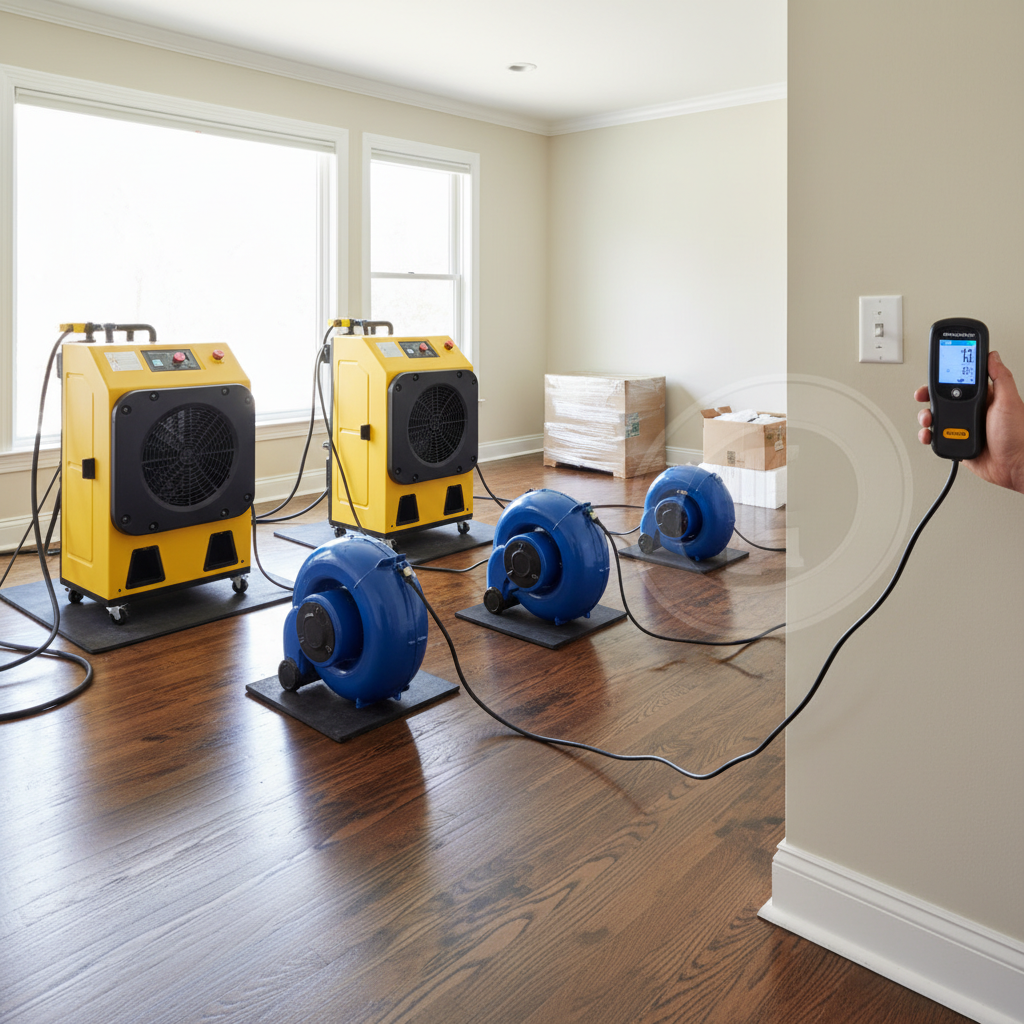
According to the EPA, mold can begin growing on wet surfaces within 24 to 48 hours after water exposure. If you dry water-damaged areas within this window, mold growth can usually be prevented. Water damage is classified into three categories (clean, gray, and black water) and four classes based on severity. Homeowners insurance typically covers sudden, accidental water damage but does not cover flooding — that requires a separate NFIP flood insurance policy. Average restoration costs range from $1,300 to $6,400 depending on the category and extent of damage.
A burst pipe at 2 a.m. A washing machine overflow while you're at work. A storm-driven roof leak you didn't notice for days. Whatever the cause, water damage is one of the most common — and most time-sensitive — emergencies homeowners face. The critical question isn't if you should act, but how fast.
The answer, backed by the EPA and CDC, is unambiguous: you have 24 to 48 hours before mold colonization begins and your restoration costs start climbing dramatically. This guide covers the science behind mold growth, the official classification system professionals use, what your insurance will and won't cover, and exactly what to do in those critical first hours.
How Quickly Mold Grows After Water Damage
The EPA's guidance on mold prevention is clear: “If wet or damp materials or areas are dried 24-48 hours after a leak or spill happens, in most cases mold will not grow.” This 24-48 hour window is the foundation of every water damage response protocol in the restoration industry.
But what happens when you miss that window? Here's the timeline, based on EPA and CDC data and published research on mold colonization rates:
| Time After Water Exposure | What's Happening | Urgency Level |
|---|---|---|
| 0 – 1 hour | Water absorbs into porous materials (carpet, drywall, wood). No mold growth yet, but the clock is ticking. | Act Now |
| 1 – 24 hours | Moisture wicks deeper into structural materials. Drywall swells, wood warps, metal begins corroding. Bacteria multiply in standing water. | Critical Window |
| 24 – 48 hours | Mold spores — which are always present in indoor air — begin germinating on wet surfaces. Musty odors may appear. This is the EPA's stated threshold for mold prevention. | High Risk |
| 48 – 72 hours | Visible mold colonies begin forming, especially in warm, humid areas (behind walls, under flooring). Mold is now actively producing spores. | Mold Growing |
| 1 – 2 weeks | Mold spreads to adjacent materials. Extensive colonization of drywall, insulation, wood framing. Structural damage accelerates. Remediation costs increase significantly. | Severe |
| 2+ weeks | Secondary damage: permanent structural compromise, extensive mold contamination requiring full remediation, potential health hazards from sustained spore exposure. | Major Remediation |
The EPA emphasizes that mold needs only four things to grow: moisture, oxygen, a food source (organic materials like wood, paper, or fabric), and a temperature between 40°F and 100°F. Since three of those four are always present in your home, moisture is the only variable you can control — and speed is everything.
The 3 Categories of Water Damage (IICRC S500)
The IICRC S500 Standard is the industry-recognized guideline for water damage restoration, used by every professional restoration company and most insurance adjusters. It classifies water damage into three categories based on contamination level, which directly impacts health risks, required cleanup procedures, and cost.
| Category | Name | Description | Common Sources | Health Risk |
|---|---|---|---|---|
| Category 1 | Clean Water | Water from a sanitary source that does not pose a substantial risk from ingestion, inhalation, or skin contact. | Broken supply lines, faucet leaks, melting ice/snow, rainwater (initially), toilet tanks (no contaminants) | Low |
| Category 2 | Gray Water | Contains significant contamination that may cause discomfort or sickness if contacted or consumed. Contains microorganisms and nutrients for microbial growth. | Washing machine overflow, dishwasher discharge, toilet overflow (urine only), sump pump failure, aquarium leaks | Moderate |
| Category 3 | Black Water | Grossly contaminated water containing pathogenic, toxic, or other harmful agents. The most dangerous category. | Sewage backups, rising floodwater, river/stream overflow, toilet overflow (with fecal matter), standing water with microbial growth | Severe |
Category 3 (black water) damage from sewage backups is classified as a biohazard and requires specialized remediation with OSHA-compliant PPE, antimicrobial treatment, and licensed biohazardous waste disposal. Affected porous materials — carpet, padding, drywall, insulation — must be removed and discarded.
Water Damage Classes Explained
While categories describe contamination level, the IICRC's four classes describe the extent and severity of the water damage. This determines the equipment needed, drying time, and overall restoration complexity.
| Class | Severity | Description | Typical Scenario | Drying Time |
|---|---|---|---|---|
| Class 1 | Minor | Only part of a room affected. Minimal moisture absorption into materials. Least amount of water and evaporation needed. | Small appliance leak on tile floor, minor pipe drip caught quickly | 1 – 3 days |
| Class 2 | Significant | Entire room of flooring affected. Water has wicked up walls less than 24 inches. Moisture in structural materials (plywood, drywall, concrete). | Washing machine overflow, water heater failure, supply line burst | 3 – 5 days |
| Class 3 | Extensive | Water from overhead or saturation from walls. Ceilings, walls, insulation, carpet, and subfloors saturated. Fastest evaporation rate needed. | Roof leak during storm, burst pipe on upper floor, fire suppression discharge | 5 – 7 days |
| Class 4 | Specialty | Sufficient water and time have elapsed to saturate materials with very low permeability (hardwood, stone, concrete, plaster). Requires specialized drying techniques. | Long-term undetected leak, crawl space flooding, subfloor saturation under hardwood | 7 – 14+ days |
Insurance adjusters and restoration professionals use the combination of category and class to determine the scope of work. A Category 1 / Class 1 loss (clean water, small area) might be a simple dry-out. A Category 3 / Class 4 loss (sewage in hardwood floors for days) requires full demolition, biohazard remediation, structural drying, and reconstruction — and the cost difference is enormous.
Emergency First Steps After Water Damage
What you do in the first few hours after discovering water damage has a direct impact on your restoration costs, insurance coverage, and mold risk. Follow these steps in order:
Do not enter standing water if electricity may be present. If you see sparks, smell burning, or hear unusual sounds from outlets, stay out and call 911. If you can safely reach your breaker panel without stepping in water, turn off the electricity. If the panel is in a flooded area, do not touch it — call your utility company or fire department.
Identify and stop the inflow of water. For burst pipes or supply line failures, shut off the main water valve. For appliance overflows, turn off the appliance and its water supply. For roof leaks, place buckets and tarps to contain the water until repairs can be made. If the source is sewage or floodwater, do not attempt to stop it yourself — evacuate and call professionals.
Before you start cleaning up, take photos and video of all affected areas, including walls, floors, ceilings, and damaged belongings. Create a written inventory of damaged items with approximate values. This documentation is critical for your insurance claim — insurers can deny claims that lack proper documentation.
Contact your insurer within 24 hours of discovering the damage. Report the incident, provide your documentation, and ask about your specific coverage. Ask whether your policy covers the type of water damage you experienced (sudden vs. gradual, interior vs. exterior water source). Request a claim number and the name of your assigned adjuster.
Contact an IICRC-certified water damage restoration company immediately — don't wait for the insurance adjuster's visit. Most reputable companies offer 24/7 emergency response and can begin water extraction within hours. Homeowners who begin professional drying within 24 hours consistently pay a fraction of what those who delay end up spending. Request quotes from vetted professionals near you.
While waiting for professionals, start removing standing water with a wet/dry vacuum, mops, or towels. Open windows and doors for cross-ventilation (weather permitting). Run fans and dehumidifiers if you have them. Move furniture off wet carpet by placing aluminum foil or plastic under legs. Remove area rugs from wet floors. The goal is to reduce moisture as quickly as possible before the 24-48 hour mold window closes.
Remove wet items to a dry area or outdoors. Books, documents, and photos can often be saved if air-dried or frozen within 48 hours. Move electronics out of the affected area but do not plug them in until inspected. Do not use a regular household vacuum on water — it's an electrical hazard and will destroy the vacuum.
Health Risks of Water Damage and Mold Exposure
Water damage isn't just a property problem — it's a health hazard that escalates with every hour of delay. The risks depend on both the water contamination category and the duration of exposure.
Mold-Related Health Effects (CDC Data)
According to the CDC, mold exposure can cause a range of health problems, particularly in sensitive populations:
- Common symptoms: Stuffy nose, sore throat, coughing, wheezing, burning eyes, skin rash
- Asthma and allergies: People with asthma or mold allergies may experience severe reactions, including asthma attacks
- Immune-compromised individuals: People with weakened immune systems or chronic lung disease may develop serious lung infections from mold exposure
- Long-term exposure: The Institute of Medicine found sufficient evidence linking indoor mold to upper respiratory tract symptoms, cough, wheeze, and hypersensitivity pneumonitis. Persistent lung inflammation can lead to permanent lung damage.
- Children: Recent studies suggest a potential link between early mold exposure and the development of asthma in genetically susceptible children
The CDC recommends keeping indoor humidity below 50% at all times to prevent mold growth. After water damage, this becomes nearly impossible without professional-grade dehumidification equipment.
Health Risks by Water Category
| Category | Health Risks | Protective Measures |
|---|---|---|
| Category 1 (Clean) | Minimal immediate health risk. However, standing clean water breeds bacteria within 24–48 hours, and mold growth poses respiratory risks. | Rubber gloves, prompt drying, monitor for mold |
| Category 2 (Gray) | Contains bacteria and microorganisms that cause discomfort or illness if contacted or ingested. Risk of skin irritation, gastrointestinal illness, and respiratory issues. | Rubber boots, gloves, eye protection. Avoid direct contact. Disinfect all surfaces. |
| Category 3 (Black) | Contains pathogenic organisms, toxic chemicals, and raw sewage. Exposure risks include serious bacterial infections, parasitic disease, viral illness, and chemical toxicity. Can be life-threatening for immune-compromised individuals. | Do not attempt DIY cleanup. Requires professional biohazard remediation with OSHA-compliant PPE, respirators, and Tyvek suits. |
Does Homeowners Insurance Cover Water Damage?
The short answer: it depends on the source. Standard homeowners insurance covers water damage from sudden, accidental events inside your home but excludes flooding, gradual leaks, and neglected maintenance.
- Burst or broken pipes
- Appliance overflow (washer, dishwasher)
- Accidental plumbing/HVAC discharge
- Water from fire suppression
- Wind or hail-driven rain damage
- Vandalism causing water damage
- Ice dam damage (in many states)
- Flooding (rain, storm surge, rising water)
- Sewer/drain backups (unless rider purchased)
- Gradual leaks over time
- Poor maintenance or neglect
- Mold from long-term moisture buildup
- Groundwater seepage
- Foundation cracks allowing water entry
Coverage Types That Apply
- Dwelling coverage: Pays for structural repairs (drywall, flooring, framing)
- Personal property coverage: Replaces damaged belongings (furniture, electronics, clothing)
- Additional living expenses (ALE): Covers temporary housing if your home is uninhabitable during restoration
- Liability coverage: If your water damage affects a neighbor's property
Pro tip: Report damage to your insurer within 24 hours. Delays in reporting can result in claim denial, and insurers expect you to take reasonable steps to prevent further damage (called your duty to mitigate). Learn more about navigating insurance coverage for cleanup services.
Flood Insurance vs. Homeowners Insurance
One of the most common and costly misconceptions is that homeowners insurance covers flooding. It never does. Flood damage requires a completely separate policy, typically through FEMA's National Flood Insurance Program (NFIP).
| Feature | Homeowners Insurance | Flood Insurance (NFIP) |
|---|---|---|
| What it covers | Sudden, accidental water damage from internal sources (burst pipes, appliance overflow) | Flooding from external sources (rain, storm surge, river overflow, rising groundwater) |
| Flood coverage | Never included | Primary purpose |
| Maximum building coverage | Varies by policy (typically $100K–$500K+) | $250,000 (residential) |
| Maximum contents coverage | Varies by policy | $100,000 |
| Required? | Required by mortgage lenders | Required only in high-risk flood zones (FEMA-designated) with federally backed mortgages |
| Waiting period | Coverage begins immediately | 30-day waiting period after purchase |
| Average annual cost | $1,500–$3,000+ (varies widely) | $700–$1,500 (NFIP average) |
| Available from | Private insurance companies | NFIP (via participating insurers) or private flood insurers |
Water Damage Restoration Costs
The national average for water damage restoration in 2026 is approximately $3,800, with most homeowners paying between $1,300 and $6,400. However, costs vary enormously based on the water category, damage class, square footage, and how quickly you respond.
Cost by Water Category
| Water Category | Cost per Sq Ft | Typical Total Cost | What's Included |
|---|---|---|---|
| Category 1 (Clean Water) | $3 – $4 | $1,000 – $4,000 | Water extraction, structural drying, dehumidification, moisture monitoring |
| Category 2 (Gray Water) | $4 – $7 | $3,000 – $8,000 | Extraction, antimicrobial treatment, removal of affected porous materials, drying, decontamination |
| Category 3 (Black Water) | $7 – $8 | $7,000 – $25,000+ | Full PPE remediation, removal of all contaminated materials, biohazard disposal, structural drying, reconstruction |
Cost by Damage Class
| Damage Class | Typical Cost Range | What to Expect |
|---|---|---|
| Class 1 (Minor) | $150 – $400 | Spot drying, fan placement, minimal material replacement |
| Class 2 (Significant) | $500 – $1,000 | Industrial dehumidifiers, carpet/pad removal, wall drying to 24 inches |
| Class 3 (Extensive) | $1,000 – $3,000 | Multiple dehumidifiers, ceiling/insulation work, subfloor drying, extended timeline |
| Class 4 (Specialty) | $20,000 – $100,000+ | Specialty drying systems, hardwood/masonry restoration, potential structural reconstruction |
Frequently Asked Questions
Don't Wait — Find Water Damage Restoration Near You
Every hour counts after water damage. Connect with IICRC-certified restoration professionals who offer 24/7 emergency response and work directly with your insurance company.
Free, no-obligation quotes from vetted water damage restoration companies