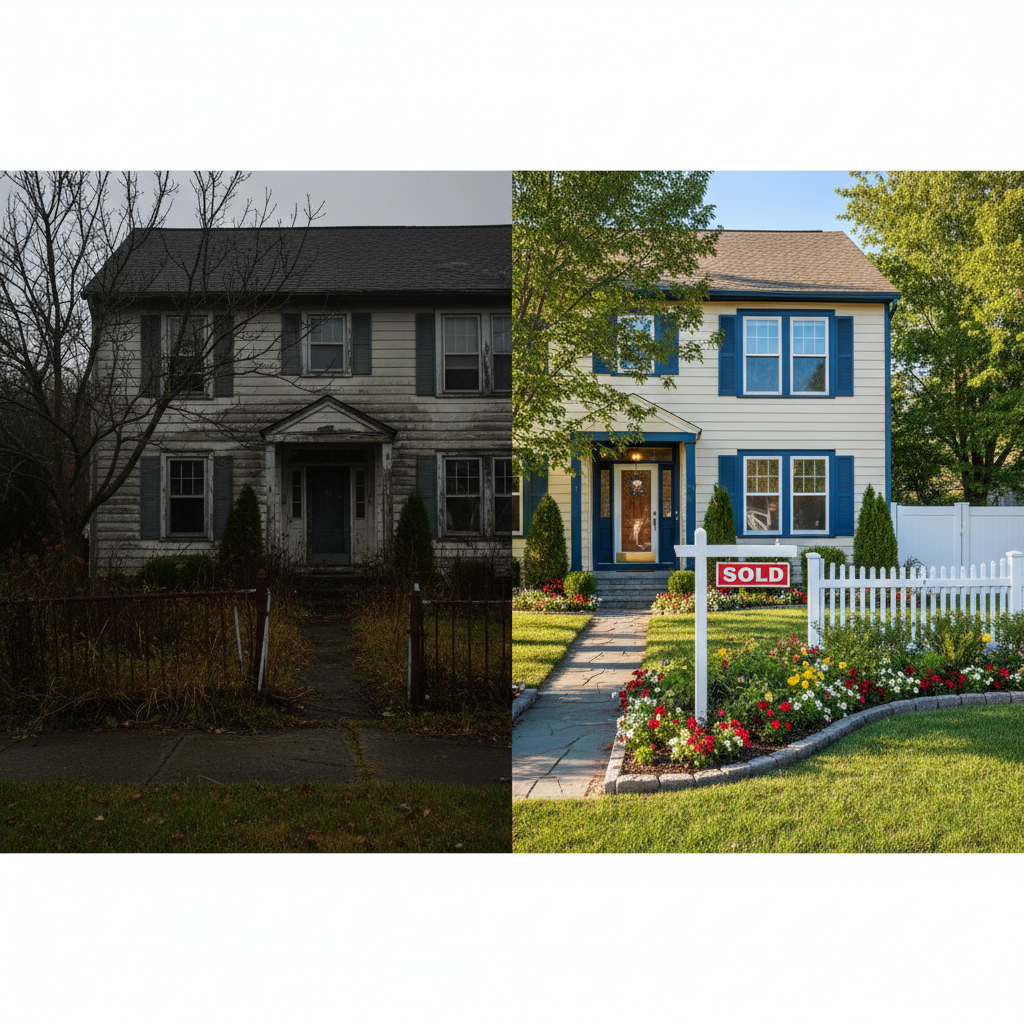
Biohazard events can reduce a property’s market value by 10% to 50% depending on the type of event, media coverage, and how the property is marketed afterward. Murders and meth labs cause the steepest declines, while unattended deaths and minor biohazard incidents have a smaller — and often temporary — impact. The good news: professional remediation with proper documentation, strategic renovation, and informed marketing can recover most or all of the lost value. Only three states (California, South Dakota, and Alaska) require sellers to proactively disclose deaths on the property; most states require disclosure only when directly asked.
Property Value Impact by Event Type
Not all biohazard events affect property values equally. The impact depends on the type of event, the level of media coverage, the local market, and whether the property has been professionally remediated. Below are estimated value impacts based on real estate research, appraisal industry data, and case studies.
| Event Type | Estimated Value Impact | Duration of Impact | Key Factors |
|---|---|---|---|
| Murder / homicide | -15% to -50% | 3–10+ years | Media coverage is the biggest driver. High-profile cases (serial killers, multiple victims) cause the steepest, most lasting declines. |
| Murder-suicide | -20% to -50% | 5–10+ years | Dual stigma compounds the impact. Properties associated with family tragedies face the most buyer resistance. |
| Suicide | -10% to -25% | 2–5 years | Less stigma than murder, but still significant. Visibility matters — a suicide in the garage has less impact than one in the master bedroom. |
| Unattended death (natural causes) | -5% to -15% | 1–3 years | Impact depends on decomposition severity. A death discovered within days has minimal impact; weeks-long decomposition with structural damage has more. |
| Meth lab | -20% to -50% | 5–10+ years (unremediated) 1–3 years (remediated) | DEA registry listing, contamination severity, and whether a clearance certificate exists. Remediated properties with documentation recover well. |
| Drug house (use only) | -10% to -20% | 1–3 years | Less stigma than production. Professional cleanup and testing remove the practical concerns. |
| Hoarding (severe) | -10% to -30% | 1–2 years after cleanup | Physical damage (mold, structural, pest) drives the discount more than stigma. Full renovation can eliminate the impact entirely. |
| Infectious disease death | -5% to -15% | 1–2 years | Minimal lasting stigma after proper decontamination. COVID-era sensitivity has faded in most markets. |
| Crime scene (non-fatal) | -5% to -15% | 1–3 years | Assault, robbery, or other non-fatal crimes. Impact is primarily psychological; physical damage is typically minor. |
In hot seller’s markets with low inventory, stigmatized properties sell with smaller discounts because buyers have fewer options. In buyer’s markets, discounts can be at the higher end of these ranges. Urban markets are generally more forgiving than small towns where “everyone knows what happened.”
Why Stigmatized Properties Lose Value
A “stigmatized property” is a real estate term for a home where an event occurred that may cause psychological discomfort to buyers, even when the property itself is structurally sound and safe. The value loss comes from three distinct factors:
Psychological Stigma
Many buyers are uncomfortable living where someone died violently or where traumatic events occurred. This is emotional, not rational — but it’s real and it shrinks the buyer pool. The smaller the buyer pool, the lower the price.
Practical Concerns
Some biohazard events cause real physical damage: decomposition fluids saturating subfloors, meth residue embedded in drywall, mold from hoarding. Buyers worry about hidden damage, incomplete cleanup, and future health risks.
Resale Anxiety
Even buyers willing to purchase a stigmatized property worry about their ability to resell it later. This “will I be stuck with it?” fear creates an additional discount layer beyond the stigma itself.
Financing Complications
Some lenders are cautious about properties with known contamination histories, particularly meth labs. Appraisers may apply a stigma discount, reducing the appraised value below the purchase price and complicating mortgage approval.
State Disclosure Laws for Stigmatized Properties
Disclosure requirements for stigmatized properties vary dramatically by state. There is no federal law requiring disclosure of deaths, crimes, or other stigmatizing events on a property. Each state sets its own rules.
| Disclosure Category | States | What’s Required |
|---|---|---|
| Must disclose deaths (proactive) | California (3 years), South Dakota, Alaska | Seller must proactively disclose deaths on the property within the specified timeframe, regardless of whether the buyer asks. |
| Must disclose if asked | Georgia, Hawaii, Kentucky, New Hampshire, New Jersey, New York, Oregon, Pennsylvania, South Carolina, Virginia | Seller must answer truthfully if the buyer directly asks about deaths or crimes, but has no obligation to volunteer the information. |
| Disclosure not required | Most remaining states | No legal obligation to disclose deaths, suicides, or crimes. Some states explicitly protect sellers from liability for non-disclosure of “psychological defects.” |
| Meth contamination disclosure | ~25 states (see meth lab cleanup guide) | Separate from death disclosure. States with meth decontamination laws generally require disclosure of known meth manufacturing, even after remediation. |
Even in states that do not require stigma disclosure, sellers can still be liable for fraud if they actively conceal known material defects or lie when directly asked. The safest approach is to consult a local real estate attorney before listing. Additionally, agents have their own disclosure obligations — some state realtor associations require agents to disclose material facts they are aware of, regardless of what the seller is required to disclose.
If disclosure is not required in your state, do your own research. Google the property address, check local news archives, search the DEA Clandestine Lab Register for meth history, and talk to neighbors. Websites like DiedInHouse.com charge a small fee to search death records associated with an address.
How to Restore Property Value After a Biohazard Event
Value recovery is possible — and in many cases, you can recover the property’s full pre-event value. The key is a systematic approach that addresses both the physical damage and the psychological stigma.
Complete Professional Biohazard Remediation
This is non-negotiable. Hire a certified biohazard remediation company to clean, decontaminate, and restore the affected areas. Ensure they provide a remediation certificate documenting all work performed and confirming the property meets applicable safety standards. Get free quotes from certified professionals.
Renovate the Affected Spaces
Go beyond cleanup. Replace flooring, repaint walls, install new fixtures — make the affected areas look and feel completely new. For severe events (murders, long-term decomposition), consider a full room renovation that changes the layout, materials, and feel of the space. Buyers respond to spaces that don’t “look like” a crime scene, even subconsciously.
Address Odors Completely
Lingering odors are deal-killers. Professional odor removal using ozone, hydroxyl, or thermal fogging is essential after any event involving decomposition, bodily fluids, or chemical contamination. Do not mask odors — eliminate them at the molecular level.
Obtain All Documentation
Assemble a complete file: remediation certificate, before/after photos, clearance test results (for meth properties), contractor invoices for renovations, and any relevant inspection reports. This documentation package is your single strongest tool for overcoming buyer resistance.
Consider the Timing
If you are not in a rush to sell, time helps. The stigma impact of most events diminishes significantly after 2–3 years. Renting the property during this period (with appropriate disclosure to tenants) can generate income while the stigma fades.
Remediation Certificates and Their Role
A remediation certificate (also called a clearance certificate or completion certificate) is a document issued by the biohazard cleanup company confirming that the property has been professionally remediated and meets applicable safety standards. For meth-contaminated properties, an independent industrial hygienist issues the certificate after clearance testing.
What a Remediation Certificate Includes
- Date and scope of remediation work
- Description of all affected areas and materials
- Methods and chemicals used in decontamination
- Before and after documentation
- Clearance test results (for chemical contamination)
- Certification that work meets state and federal standards
- Company credentials, certifications, and insurance information
Why It Matters for Property Value
- Provides buyers with objective proof that the property is safe
- Satisfies lender and appraiser requirements for mortgage approval
- Required by law in many states for meth-contaminated property resale
- Reduces perceived risk, which reduces the stigma discount buyers apply
- Protects the seller from future liability claims
- Some states (e.g., Arizona) waive ongoing disclosure requirements once a clearance certificate is issued
Always request a remediation certificate from your cleanup company before you pay the final invoice. This document should be included as a standard deliverable. If a company cannot or will not provide one, consider that a red flag. Search our directory for companies that provide proper documentation.
Marketing a Stigmatized Property
How you market a stigmatized property can make the difference between a 10% discount and a 40% discount. The right strategy targets the right buyers with the right message.
Strategy: Target Value Buyers
Some buyers actively seek stigmatized properties for the discount. Investors, flippers, and budget-conscious first-time buyers may view the stigma as an opportunity rather than a problem. Market to these audiences with pricing that reflects a modest discount rather than a fire sale.
Strategy: Lead With Renovation
If you’ve renovated the affected areas, lead with the renovation story in your marketing. “Fully renovated kitchen and master suite,” “new flooring throughout,” and “updated bathrooms” are positive narratives that reframe the property.
Strategy: Provide Documentation Proactively
Don’t wait for buyers to ask about the property’s history. Make the remediation certificate, renovation details, and clearance reports available upfront. Transparency builds trust and prevents deals from falling apart during due diligence.
Strategy: Work With an Experienced Agent
Not all real estate agents are equipped to sell stigmatized properties. Look for agents who have specific experience with estate sales, investor properties, or post-remediation homes. They’ll know how to position the property, handle buyer questions, and navigate disclosure requirements.
Never attempt to hide the property’s history. In the age of internet search, determined buyers will find news articles, public records, and neighbor accounts. Getting caught concealing information destroys trust, kills deals, and can expose you to legal liability — even in states that don’t require disclosure. Transparency, paired with professional remediation documentation, is always the better strategy.
Advice for Real Estate Investors
Stigmatized properties represent a genuine investment opportunity for buyers who can look past the psychology and focus on the fundamentals. Here is what experienced investors consider.
- Buy at the right discount. The property should be priced low enough to account for holding costs during the stigma period, renovation expenses, and your target profit margin. A 20–30% discount on a murder house may sound large, but factor in $15,000–$40,000 in remediation and renovation.
- Verify remediation completeness. Order independent testing (especially for meth properties) before closing. Do not rely solely on the seller’s documentation. Budget $500–$1,500 for professional testing.
- Renovate to transform the feel. Change the layout of affected rooms if possible. New flooring, paint, fixtures, and even room-purpose changes (master bedroom becomes a home office) help buyers mentally separate the space from the event.
- Rent before selling. Renting the property for 2–3 years lets the stigma fade while generating rental income. When you eventually sell, the property has a track record of “normal” occupancy.
- Understand your holding costs. Insurance premiums may be higher. Some insurers won’t cover former meth labs. Factor this into your analysis.
- Know the disclosure rules cold. Understand your state’s disclosure requirements before you buy and before you sell. Requirements may differ for investor-owned properties versus owner-occupied.
Should You Stay, Renovate, or Sell?
If a biohazard event happened in your own home, you face a deeply personal decision. There is no universally right answer, but here are the key considerations.
| Option | Best When | Considerations |
|---|---|---|
| Stay and renovate | You love the home and neighborhood. The event was in a contained area. You have emotional support. | Renovation can psychologically “reset” the space. Changing the room’s purpose or layout helps. Give yourself time to decide — don’t rush. |
| Rent it out | You’re not ready to sell at a discount. You can afford to move. The property has good rental potential. | Generates income during the stigma period. Disclose to tenants as required. Revisit selling in 2–3 years when the discount is smaller. |
| Sell now | Living there is causing emotional distress. You need to relocate for other reasons. The financial loss is acceptable. | Expect a 10–30% discount in most cases. Professional remediation documentation reduces the discount. Price realistically from day one — overpricing a stigmatized property prolongs time on market. |
For guidance on the emotional aspects of this decision, see our emotional guide for families after biohazard cleanup. Deciding whether to stay is as much an emotional question as a financial one, and it’s okay to prioritize your mental health over maximizing property value.
Frequently Asked Questions
How much does a murder reduce property value?
Murders typically reduce property value by 15% to 50%, with the impact varying based on media coverage, the nature of the crime, and the local real estate market. High-profile cases in small markets see the largest declines. With professional remediation, renovation, and time, most properties recover to within 5–15% of their pre-event value within 5–7 years.
Do I have to disclose a death in my home when selling?
Only three states (California, South Dakota, and Alaska) require proactive disclosure of deaths on a property. About ten additional states require truthful answers if the buyer asks directly. Most states do not require disclosure of deaths, suicides, or crimes. However, you should always consult a local real estate attorney, as general fraud laws may still apply if you actively conceal material information.
Does professional remediation restore property value?
Professional remediation is the single most effective step for value recovery. A remediation certificate provides objective proof that the property is safe, satisfies lender requirements, and significantly reduces the stigma discount. Properties with documented professional cleanup sell for 10–20% more than comparable stigmatized properties sold “as-is.”
How long does property stigma last?
It depends on the event. Minor events (natural death, infectious disease) fade within 1–2 years. Suicides and unattended deaths typically carry stigma for 2–5 years. Murders can affect a property’s perception for 5–10+ years, particularly in small communities or when the case received significant media coverage.
Can I get a mortgage on a stigmatized property?
Yes, in most cases. Lenders care about the property’s appraised value and physical condition, not its emotional history. However, appraisers may apply a stigma adjustment that lowers the appraised value. Meth-contaminated properties without a clearance certificate are the hardest to finance — many lenders require documented remediation before approving a loan.
Should I buy a stigmatized property as an investment?
Stigmatized properties can be excellent investments when purchased at the right price. Target a purchase price that accounts for remediation costs, renovation expenses, holding costs during the stigma period, and your profit margin. Verify remediation completeness with independent testing, and understand your state’s disclosure requirements before you buy and before you sell.
Protect Your Property Value With Professional Remediation
Certified biohazard cleanup with proper documentation is the foundation of property value recovery. Get connected with professionals who provide remediation certificates and work with real estate transactions.