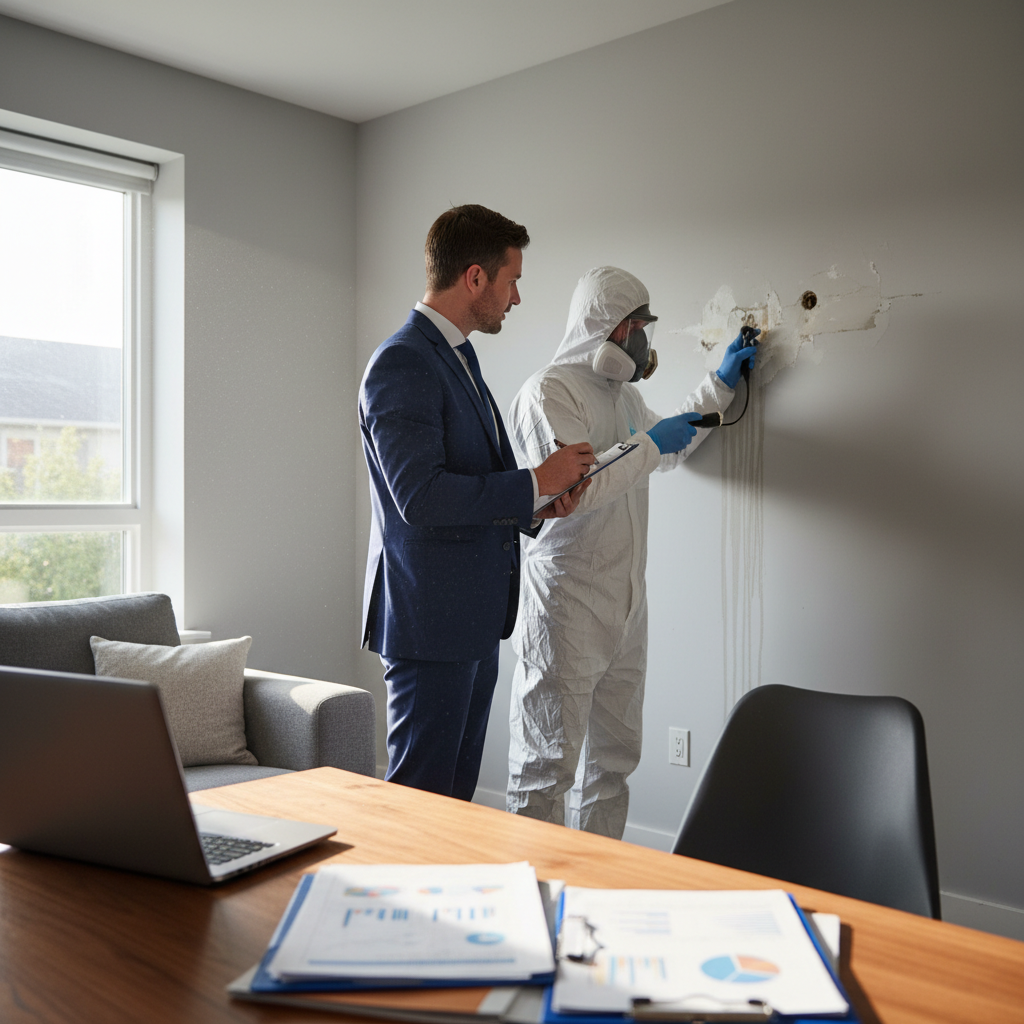
Most homeowner’s insurance policies cover biohazard cleanup when it results from a covered peril — such as a crime, accidental death, or sewage backup (with endorsement). The key is how the event is classified, not the cleanup itself. Typical payouts range from $3,000 to $25,000+ depending on severity. To maximize your claim, document everything before cleanup begins, file promptly, and hire a biohazard company experienced in working with insurance. Claims are most commonly denied when the event falls under a policy exclusion, documentation is insufficient, or the policyholder waited too long to file.
What Biohazard Events Are Typically Covered
Insurance coverage for biohazard cleanup depends on the cause of the contamination, not the cleanup method. Insurers evaluate whether the underlying event is a “covered peril” under your specific policy. Here is how the most common biohazard scenarios typically play out with insurance.
| Biohazard Event | Typically Covered? | Policy Section | Notes |
|---|---|---|---|
| Violent crime (homicide, assault) | Yes | Dwelling / property damage | Covered as vandalism or malicious mischief. One of the most commonly approved biohazard claims. |
| Suicide | Yes (usually) | Dwelling / property damage | Most policies cover the resulting property damage. Some insurers initially resist but approve on appeal. |
| Unattended death | Yes (usually) | Dwelling / property damage | Decomposition damage to flooring, walls, and substructure is typically covered as sudden, accidental damage. |
| Accidental injury / trauma | Yes | Dwelling / property damage | Blood and bodily fluid cleanup from accidents is generally covered. |
| Sewage backup | Conditional | Requires sewer backup endorsement | Standard policies exclude sewage. You must have purchased a separate sewer/drain backup endorsement ($40–$75/year). |
| Animal infestation / waste | Conditional | Varies by policy | Some policies cover sudden animal-related damage. Gradual infestations (e.g., rodents over months) are usually excluded as “maintenance.” |
| Hoarding-related biohazards | Rarely | Usually excluded | Insurers classify hoarding as neglect or lack of maintenance, which is excluded under most policies. |
| Meth lab / drug contamination | No | Excluded | Damage from illegal activity is universally excluded. No standard homeowner’s policy covers meth remediation. |
| Infectious disease decontamination | Conditional | Varies by policy | Coverage varies widely. Some commercial policies include it; most residential policies do not unless linked to a covered event. |
Even if you’re unsure whether your event is covered, file the claim anyway. Let the insurance company make the determination. Many policyholders leave money on the table by assuming they won’t be covered. The worst outcome is a denial, which you can then appeal.
Coverage by Insurance Policy Type
Different types of insurance policies handle biohazard cleanup differently. Understanding which of your policies might apply can significantly increase your total recovery.
| Policy Type | What It May Cover | Typical Limits | Key Considerations |
|---|---|---|---|
| Homeowner’s (HO-3, HO-5) | Structural damage, content replacement, cleanup from covered perils | $100K–$500K+ (dwelling); subject to deductible | Most common policy used for biohazard claims. HO-5 offers broader coverage than HO-3. |
| Renter’s (HO-4) | Personal property damage, additional living expenses | $15K–$100K (contents) | Does not cover structural damage — that falls to the landlord’s policy. |
| Landlord / Dwelling Fire (DP-3) | Structural damage, lost rental income during remediation | Policy-specific | Lost rental income coverage is critical — biohazard cleanup can take weeks, and the unit is uninhabitable. |
| Commercial Property | Structural damage, business interruption, liability | Policy-specific | Business interruption coverage pays for lost revenue while the property is being cleaned. |
| Crime Victim Compensation | Cleanup costs for victims of violent crime | $1,000–$25,000 (varies by state) | Available in all 50 states. Covers costs that insurance doesn’t. Must apply through your state’s program. |
| CGL (Commercial General Liability) | Third-party bodily injury, property damage liability | $1M–$2M typical | Applies when a biohazard event affects tenants, customers, or visitors on your commercial property. |
Every U.S. state operates a Crime Victim Compensation (CVC) program that can reimburse biohazard cleanup costs for victims of violent crime. Benefits range from $1,000 to $25,000 depending on the state. You must file a police report and apply within the state’s deadline (typically 1–3 years). These funds are available in addition to any insurance coverage. Contact the Office for Victims of Crime to find your state’s program.
How to File a Biohazard Cleanup Insurance Claim
Filing a biohazard claim follows the same general process as any property damage claim, but with additional sensitivities around documentation and timing. Follow these steps to maximize your chances of approval.
Secure the Scene and Ensure Safety
Before anything else, make sure the area is safe. Do not enter a biohazard scene without proper protection. If law enforcement or emergency services were involved, wait until they release the scene. Do not attempt to clean anything yourself — this can compromise both your health and your insurance claim.
Document Everything Before Cleanup
This is the most critical step. Take extensive photos and video of all affected areas before any cleanup begins. Photograph damaged walls, flooring, furniture, personal property, and the overall scene from multiple angles. If law enforcement took photos, request copies for your claim file. Write down a timeline of events while they are fresh in your memory.
Contact Your Insurance Company
Call your insurer’s claims hotline as soon as possible — ideally within 24–48 hours of the event. Most policies require “prompt notice” of a loss. When you call, state the facts plainly: what happened, when it happened, and that biohazard cleanup is needed. Ask for your claim number and the name of the assigned adjuster.
Hire a Professional Biohazard Cleanup Company
Do not wait for adjuster approval to hire a cleanup company. Biohazard contamination is a health emergency, and insurers understand that immediate mitigation is necessary. Choose a company experienced in working with insurance — they will provide the detailed invoices, before/after documentation, and scope-of-work reports that adjusters require. Get free quotes from vetted biohazard companies near you.
Meet With the Insurance Adjuster
The adjuster will inspect the property, review documentation, and assess the damage. Be present for this inspection if possible. Walk them through the affected areas, show your photos, and provide any police reports or medical examiner records. Your biohazard cleanup company can also meet with the adjuster to explain the scope of work.
Submit All Documentation
Compile and submit your complete claim package: photos, videos, police reports, death certificates (if applicable), cleanup invoices, scope-of-work documents, and any receipts for out-of-pocket expenses (temporary housing, replacement items). Keep copies of everything you submit.
Review the Settlement Offer
Once the adjuster completes their assessment, you will receive a settlement offer. Review it carefully against your actual costs. If the offer is lower than expected, you have the right to negotiate. Compare their offer to the actual invoices from your cleanup company and any contractor estimates for repairs.
Receive Payment and Complete Repairs
If you accept the offer, payment is typically issued within 2–4 weeks. For larger claims, insurers may issue payments in stages — an initial payment after approval and a supplemental payment after repairs are completed. Keep all receipts for the final accounting.
Documentation You’ll Need
Thorough documentation is the single most important factor in getting a biohazard claim approved. Adjusters need evidence of what happened, the extent of damage, and the cost of remediation.
Essential Claim Documentation
Never discard contaminated materials before they have been photographed and documented. If your cleanup company removes items before the adjuster visits, make sure the company’s documentation (photos, inventory, disposal manifests) is thorough enough to support your claim. Some adjusters will want to see the damage firsthand, so coordinate timing when possible.
Working With Insurance Adjusters
The adjuster assigned to your claim has significant influence over the outcome. Building a professional, cooperative relationship while firmly advocating for your claim makes a real difference.
✓ Do This
- Be honest, factual, and organized in all communications
- Provide documentation proactively — don’t wait to be asked
- Have your biohazard company representative available to speak with the adjuster
- Get everything in writing — follow up phone calls with emails summarizing what was discussed
- Ask the adjuster to explain any coverage limitations in writing
- Keep a log of every interaction: dates, times, names, and what was said
✗ Avoid This
- Giving recorded statements without understanding your rights (consult an attorney first if uncertain)
- Accepting the first settlement offer without reviewing it against actual costs
- Signing a release or waiver before the full scope of damage is known
- Assuming the adjuster is an adversary — most are professionals doing their job
- Waiting weeks to respond to adjuster requests for information
- Cleaning up before documenting — this is the most common mistake
Ask your biohazard cleanup company if they have experience working with insurance adjusters. Many established crime scene cleanup and biohazard remediation companies have dedicated insurance coordination staff who handle adjuster communication, provide the exact documentation formats insurers expect, and can even bill the insurance company directly.
Common Denial Reasons
Insurance companies deny biohazard cleanup claims for specific reasons. Understanding these in advance helps you avoid pitfalls and strengthens your position if you need to appeal.
⚠ Top Reasons Biohazard Claims Get Denied
How to Appeal a Denied Claim
A denial is not the end. Insurance claim denials can be appealed, and many are overturned when policyholders provide additional documentation or challenge the insurer’s reasoning.
Get the Denial in Writing
Request a written denial letter that states the specific reason for the denial and the policy language the insurer relied on. You are legally entitled to this. Do not accept a verbal denial alone.
Review Your Policy Carefully
Read the relevant sections of your policy, including exclusions, definitions, and coverage limits. Pay attention to how terms like “sudden and accidental,” “covered peril,” and “maintenance” are defined. Compare the insurer’s stated reason to the actual policy language.
Gather Additional Evidence
Assemble any documentation you did not include in your original claim: additional photos, a more detailed cleanup company report, a second contractor estimate, police report addendums, or expert opinions on the nature of the damage.
Write a Formal Appeal Letter
Address the denial point by point. Explain why the insurer’s reasoning is incorrect, cite the specific policy language that supports your claim, and attach all supporting documentation. Be factual and professional — avoid emotional language.
Consider Hiring a Public Adjuster
A public adjuster works for you, not the insurance company. They review your policy, assess the damage independently, and negotiate with the insurer on your behalf. They typically charge 10–15% of the settlement amount. For claims over $10,000, this investment often pays for itself.
File a Complaint With Your State Insurance Department
If the appeal is denied and you believe the insurer acted in bad faith, file a complaint with your state department of insurance. Every state has a consumer complaint process. Insurers take these complaints seriously because they trigger regulatory review.
Consult an Insurance Attorney
For large claims or clear bad-faith denials, an insurance attorney can review your case. Many work on contingency (no upfront cost). An attorney letter alone is sometimes enough to reverse a denial.
According to the National Association of Insurance Commissioners (NAIC), a significant percentage of appealed claims are overturned or settled for higher amounts. The key is persistence and documentation. Do not assume a denial is final.
What to Do If You Have No Coverage
If your claim is denied, your policy doesn’t cover the event, or you don’t have insurance, you still have options for financial assistance.
Government Programs
- Crime Victim Compensation: Every state offers reimbursement for crime-related cleanup ($1,000–$25,000). File a police report first.
- FEMA Assistance: Available if the biohazard event is part of a declared disaster (rare for individual events).
- VA Benefits: Veterans may access cleanup assistance through VA healthcare programs.
- State and local emergency funds: Some municipalities have emergency cleanup funds for vulnerable residents.
Other Options
- Payment plans: Many biohazard cleanup companies offer financing or payment plans for uninsured clients.
- Nonprofit assistance: Organizations like the Red Cross and Salvation Army may provide emergency assistance.
- Community fundraising: GoFundMe and similar platforms are commonly used after traumatic events.
- Responsible party liability: If a tenant, visitor, or third party caused the biohazard, their insurance or personal assets may be liable.
Frequently Asked Questions
Does homeowner’s insurance cover biohazard cleanup?
Yes, in most cases. Homeowner’s insurance typically covers biohazard cleanup when the contamination results from a covered peril — such as a violent crime, suicide, unattended death, or accidental injury. The cleanup itself is considered part of the property damage restoration. Events involving illegal drug activity, gradual neglect, or maintenance issues are usually excluded.
How much does insurance pay for biohazard cleanup?
Insurance pays the actual cost of cleanup minus your deductible. Typical biohazard cleanup claims range from $3,000 to $25,000+, depending on the type of event and extent of damage. Additional coverage for structural repairs, personal property replacement, and temporary housing (additional living expenses) can increase the total payout significantly.
Should I start cleanup before the adjuster visits?
Yes — biohazard contamination is a health emergency, and insurers expect you to take reasonable steps to mitigate further damage. However, document everything thoroughly before cleanup begins. Take photos and video, and ensure your cleanup company provides detailed before/after documentation. Notify the adjuster that cleanup is underway due to the health hazard.
How long do I have to file a biohazard insurance claim?
Most policies require “prompt notice” of a loss, which is generally interpreted as 24–72 hours. However, the formal deadline to file the complete claim (called the “proof of loss”) is typically 60–90 days from the event. Filing sooner is always better — delays give insurers grounds to argue the damage was worsened by inaction.
Will my premiums increase after a biohazard claim?
Possibly, but not always. A single property damage claim may result in a modest premium increase at renewal (typically 5–15%). Factors include your claims history, the size of the claim, and your insurer’s practices. For most policyholders, the cost of the cleanup far exceeds any premium increase.
What if the biohazard event happened in a rental property I own?
Landlords should file the claim under their landlord/dwelling fire policy (DP-3), which covers structural damage and may include lost rental income during remediation. If a tenant’s actions caused the biohazard, you may also have a civil claim against the tenant. Tenants should file under their renter’s insurance for personal property losses.
Does insurance cover odor removal after a biohazard event?
Yes. Odor removal (including ozone treatment, thermal fogging, and hydroxyl generation) is typically covered as part of the overall remediation when the underlying event is a covered peril. It should be included as a line item on your cleanup company’s invoice.
Need Help With a Biohazard Insurance Claim?
Professional biohazard cleanup companies experienced in insurance claims can handle documentation, adjuster coordination, and even direct billing. Get connected with vetted professionals in your area.